What Is an MTG Cube? Beginner’s Guide to Building, Sourcing, and Drafting One
What Is an MTG Cube?
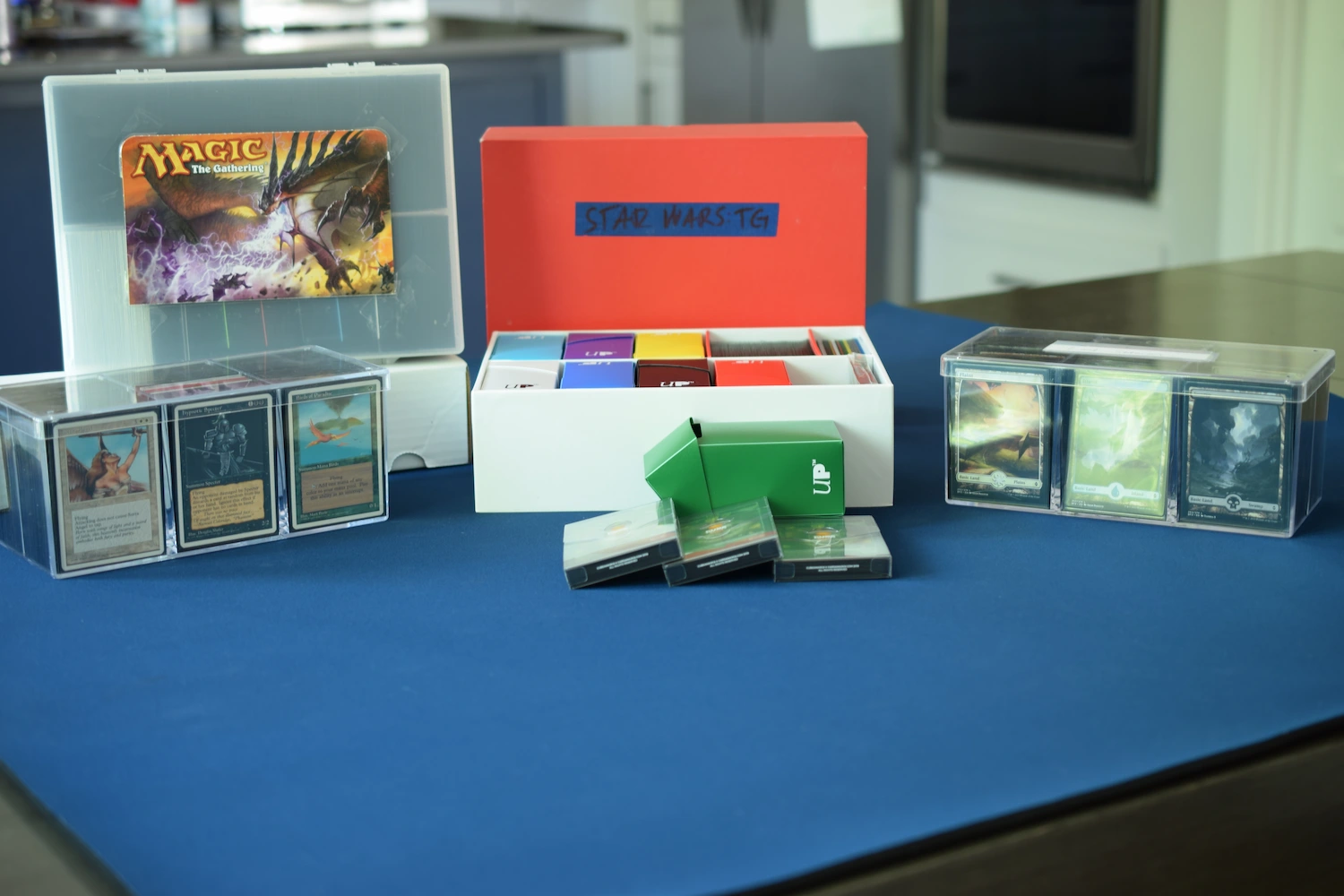
An MTG Cube is a reusable, curated collection of Magic The Gathering cards built primarily for draft. Instead of buying booster packs every time, you shuffle the cube into packs to draft, play matches, then put the cards back and do it again.
The most common cube size is 360 cards which is exactly enough for 8 players to draft 3 packs of 15 cards. Most cubes are singleton, meaning only one copy of each card, but that’s a design choice rather than a hard rule. You’ll also need a basic land station with around 40 basic lands of each color so players can finish building their 40-card decks after the draft. It’s also helpful to keep any tokens that can be created WITH the cube.
I wrote a deeper guide on choosing the right cube size.
What Is Draft?
Draft is a Magic The Gathering format where players select cards one at a time from a shared pool of cards from which to build their decks as part of the event rather than before it. It makes the skills of card evaluation and deck-building an important real-time aspect of the overall competition between players. It also removes much of the financial inequality and time-intensive pre-event meta analyses required to be successful in other constructed formats.
Draft is playing Magic the Gathering in its purest form
Just like Richard Garfield intended
At the heart of the Cube format is draft. This is the most common way to utilize an MTG cube and there is good reason for that. There are many players of all skill levels that would agree draft is the purest form of playing Magic the Gathering as it fixes many of the problems with other constructed formats.
Why Cube?
Cube is the best way to play Magic The Gathering because it offers a replayable draft experience without the recurring cost of buying booster packs. It provides a balanced, customizable format where you control the power level, include your favorite cards, and provide the circumstances for a fun and fair event.
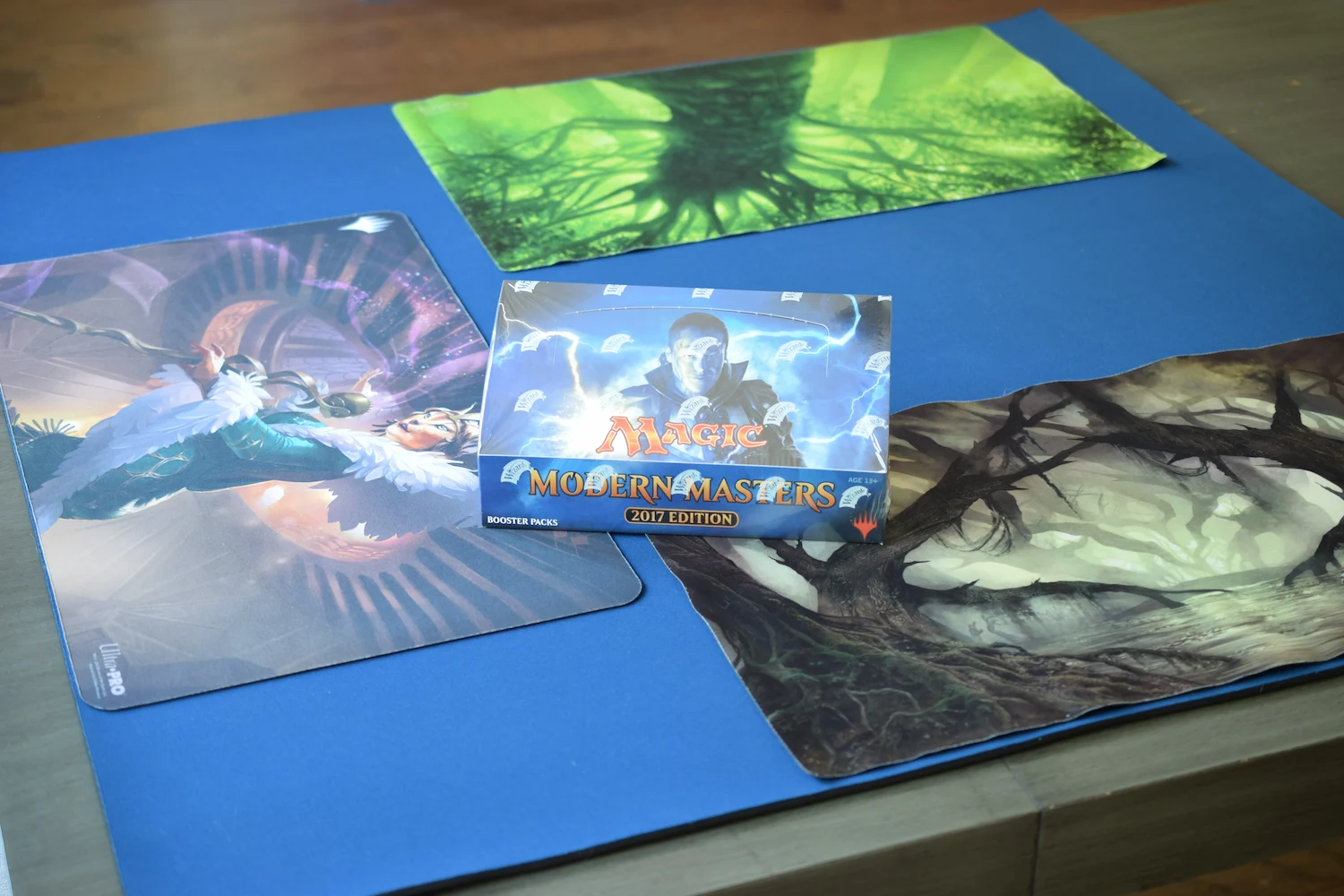
While official Wizards of the Coast drafts exist, they involve continually buying sealed product. This can quickly become expensive, especially for players who enjoy frequent drafting or wish to explore cards across multiple sets. The cube format offers a superior alternative, providing replayability and customization without the recurring cost of booster packs.
Cube gives you a customized environment, specifically tailored to your preferences. You can curate the card pool with the kind of Magic that you actually enjoy playing. You choose the themes, the power level, and eliminate all the stuff you never want to see again. This makes every draft exciting, and consistently enjoyable for you and the playgroup it’s designed for.
Building a cube doesn’t have to be daunting. Many great cube lists are already available online, offering proven designs that can be copied or adapted.
Players can source cards affordably through singles or proxies, making cube design accessible to a wide range of budgets and time commitments. If these cards are never going to be played outside of the cube, there is no need for them to be tournament legal.
Problems With Constructed
Constructed formats amplify disparities in budgets between players and lock in pre event meta analysis which diminish the test of skill that happens during the constructed event.
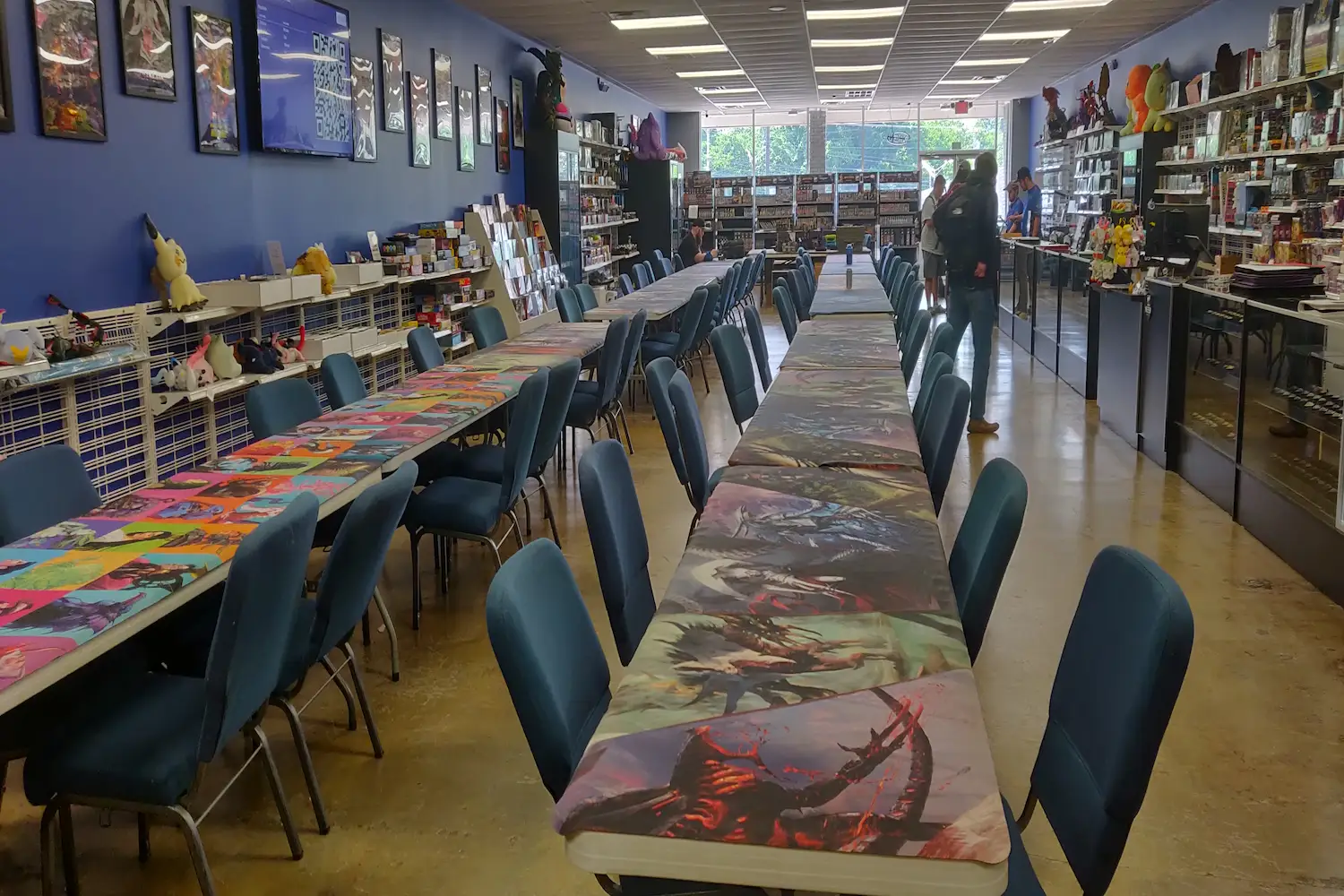
When going to play in a constructed Magic event, an edge has already been established between players simply by the decks each player decided to bring with them. All deck-building decisions including what goes into your sideboard have to be made prior to the event. You need to predict the current “meta” or popularity of certain cards and strategies you expect to face at the event to decide what to play. If you make decisions based on some incorrect assumptions, you can end up having a less than ideal day that was largely decided before you even sat down for your first match.
Getting this right for each event demands substantial monetary and time investment. Keeping pace with an ever-shifting meta requires constant testing and extensive research into new cards and archetypes and then purchasing those cards to play with. You might have a slim chance of being able to compete with cards within your budget because you’ve quite reasonably decided that $50 is way too much to spend on a single “luxury cardboard rectangle”. This financial and time commitment deters many players, making competitive Magic feel inaccessible and not worth the investment. This gets even more daunting with the feverish pace at which Wizards of the Coast is creating new sets and cards.
Drafting fixes many of these issues and mitigates others. It helps level the playing field to a flat monetary commitment from each player. There’s no need for pre-event meta analysis or expensive deck registrations. Every player starts with the same opportunity, acquiring cards through in-the-moment choices as part of the draft. This process makes the contest of skill far more equitable and engaging. There is still benefit from understanding the draft format and what decks and archetypes that can be built from all cards in the cube or set, but it’s a much more manageable space than constructed Magic.
Cube vs. Commander
Commander can fix many of the issues with the other competitive constructed formats but can often suffer from similar budget disparities and “power level” disagreements that don’t happen in Draft as it is still a constructed format.
| Feature | Magic The Gathering Cube | Commander (EDH) |
|---|---|---|
| Deck Construction | Drafted from a curated pool; temporary decks for each session | Similar issues to other formats “solved” by deck power levels |
| Time Investment | High upfront to build; minimal to 0 thereafter | Varies by group, pre-cons to same as constructed for CEDH |
| Cost Investment | Can be high Upfront for cube cards; free play thereafter | Ongoing for new upgrades; can be very expensive; group dependent |
| Power Level | Dictated by cube designer; often balanced within itself | Varies wildly; player consensus on “power level” is often needed |
| Replayability | Extremely high; different decks/strategies every draft | High; but can become stale without deck changes or new opponents |
| Setup Time | High; shuffling and pack distribution | Minimal; choose your deck then just shuffle and play |
How Do I Draft a Cube?
The most common way to play with a Magic The Gathering cube is to do a Booster Draft. Once you’re done with the draft, you’ll have a 45-card pool plus additional basic lands to build a 40-card deck with.
Draft Time Expectations
Here are some expected time commitment estimates for seasoned players vs average or new players for planning a typical cube draft night:
| Activity | Minimum Time | Maximum Time |
|---|---|---|
| Drafting | 20 mins | 30 mins |
| Deck-building | 10 mins | 20 mins |
| Single Round | 30 mins | 50 mins |
| Total Time for 3 Round Event | 3 hrs | 5 hrs |
Draft Deck-Building
Here are some guidelines for constructing a functional deck from your drafted pool or cards:
- Deck Size: Your final deck must contain at least 40 cards.
- The 23/17 Rule: A solid starting ratio is 23 non-land cards and 17 lands for a consistent mana base. (Maybe go down on lands if you have a low curve, or lots of cantrips, or mana dorks, etc.)
- Sourcing Lands: You will draft non-basic lands during the draft. Fill the rest of your land slots with basics from the basic land station.
- Unused Cards: All cards from your pool that didn’t make it to your final deck are considered your sideboard, available for adjustments between games.
How To Run Swiss Tournament?
To run a three-round Swiss draft for 8 players, your first-round pairings should be against people who were sitting furthest from you. For the next rounds, you’ll pair players with the same win-loss record against each other, which keeps the games competitive for everyone all night long.
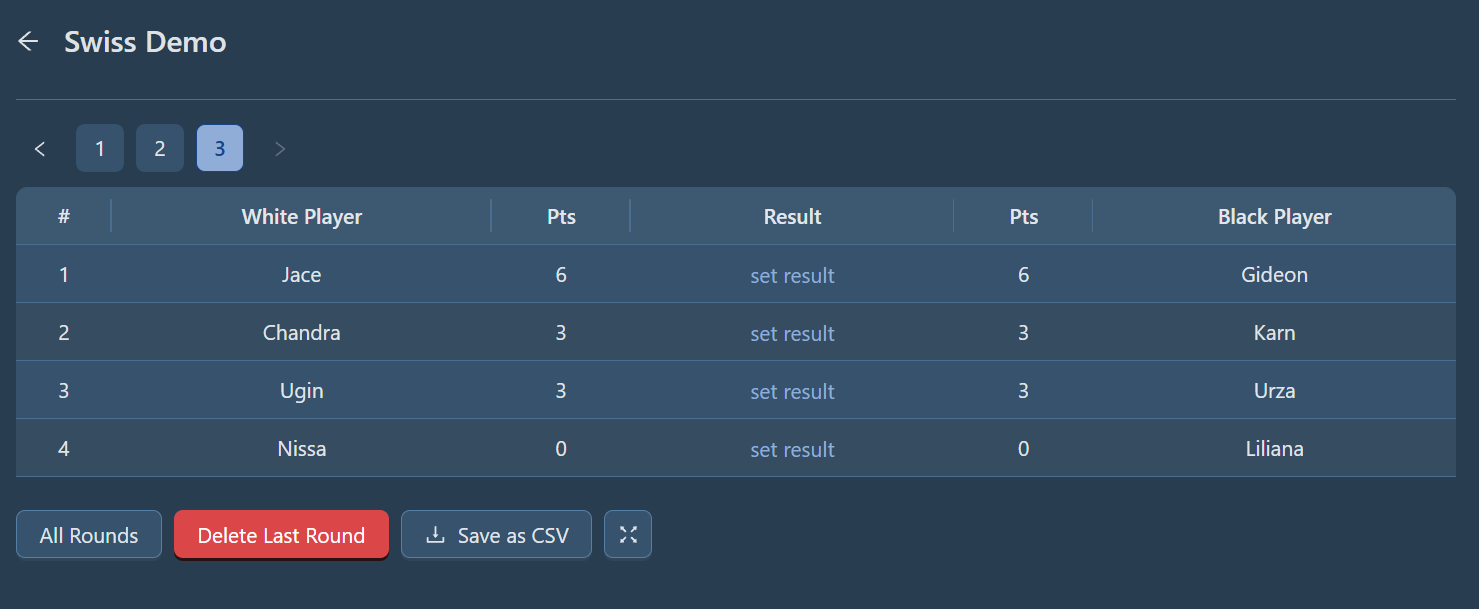
A Swiss tournament is the best structure for a fair cube tournament when you care about crowning a winner all the way to last place of the event where nobody gets eliminated. Everyone gets to play in all three rounds, no matter their record. The system is designed to pair players with similar records together, which usually leads to closer and more exciting matches as you go. Other structures are better suited depending on your goals and the cube being drafted but a Swiss is most common. Here’s a simple way to run one.
Step 1: Round 1 Pairings
For each player at the table, assign and remember their seat number starting at 1 and going in order around the table up to 8. You’ll need this to set up fair pairings. The goal here is to have players play against someone they weren’t sitting next to. This stops players who were passing to each other and have a good idea of what’s in each other’s decks from playing right away. A simple and fair way to do this is to have players play the person sitting furthest away from them (that’s four seats away for 8 people):
- Player 1 plays Player 5
- Player 2 plays Player 6
- Player 3 plays Player 7
- Player 4 plays Player 8
After the round, use each player’s record to make new pairings. Assuming no draws, you’ll have four players with a 1-0 record and four with a 0-1 record.
Step 2: Round 2 Pairings
For Round 2, you can imagine everyone sat back in their original seat and do the same thing as round 1 for each set of players who have the same record pretending the other set of players isn’t there. So you’ll now have two groups of four, and the person furthest away from them will be 2 seats away now.
- 1-0 Player 1 plays 1-0 Player 3
- 1-0 Player 2 plays 1-0 Player 4
- 0-1 Player 1 plays 0-1 Player 3
- 0-1 Player 2 plays 0-1 Player 4
After this round, you’ll have two players at 2-0, four at 1-1, and two at 0-2.
Step 3: Round 3 Pairings
The last round works the same way. Pair up players with the same record.
- The two 2-0 players play each other in the “finals.”
- The two 0-2 players play each other.
- Do the same as round 2 for the four 1-1 players
- If this would result in a match between two players that have already faced each other, instead assign their opponent randomly from the other remaining players they haven’t played.
After three rounds, you’ll have one undefeated 3-0 player who wins the draft!
While there are countless ways to customize a Magic cube for varying player counts and play styles, the 360-card cube draft for 8 players into a 3 round Swiss-style tournament is the most common. If someone asks you “Cube?”, this is likely what they mean.
Where To Get A Cube?
You can get a Magic The Gathering Cube by buying a pre-made one, purchasing individual cards (singles) to assemble a list you find online, printing proxy versions of cards, or building one from your existing collection. Each method offers a different balance of cost, effort, and customization.
There are several paths to obtaining a Magic The Gathering Cube, each with varying levels of effort and cost. Aside from buying a pre-built complete cube, most paths will require additional purchases like storage solutions, sleeves, and a basic land station. Consider the following methods to start your cube journey:
| Method of Acquisition | Effort Level | Cost Level | Description |
|---|---|---|---|
| Buy a Complete Cube | Low | Medium-High | Purchase a pre-assembled cube, often from a third-party vendor or another player. Minimal effort but can be expensive. |
| Print a Complete Cube | Low | Medium | Purchase a pre-assembled proxied cube, from a third-party vendor or another player. Minimal effort but the cards can never be used for any sanctioned events. |
| Buy Singles / Print Proxies | Medium | Low-Variable | Select a list online (e.g., from CubeCobra) and acquire individual cards (e.g., via TCGPlayer affiliate links) or create high-quality proxies. Cost depends heavily on card choices. |
| Open Sealed Packs | Low | Medium | Utilize a collection of sealed booster packs as the starting point for your cube. Requires opening packs and curating. |
| Build from Existing Collection | Medium-High | Low | Curate a cube using cards you already own, potentially supplementing with a few new purchases. |
| Design Your Own from Scratch | High | Low-Variable | Undertake the full design process, selecting every card to meet specific design goals. Most effort, but allows ultimate customization. |
Each approach offers a unique balance of investment and personalization. Your choice will depend on your budget, available time, and desire for creative control over the cube’s contents. Regardless of the method, the reward is a uniquely engaging and infinitely replayable Magic experience.
Where Can I Find A Cube List?
The best place to find Magic The Gathering cube lists is Cube Cobra, a powerful online tool for cube management and browsing. Its search page defaults to the most popular and highly-rated cubes. Community forums and content creators’ blogs are also excellent sources for discovering new and interesting cube lists.
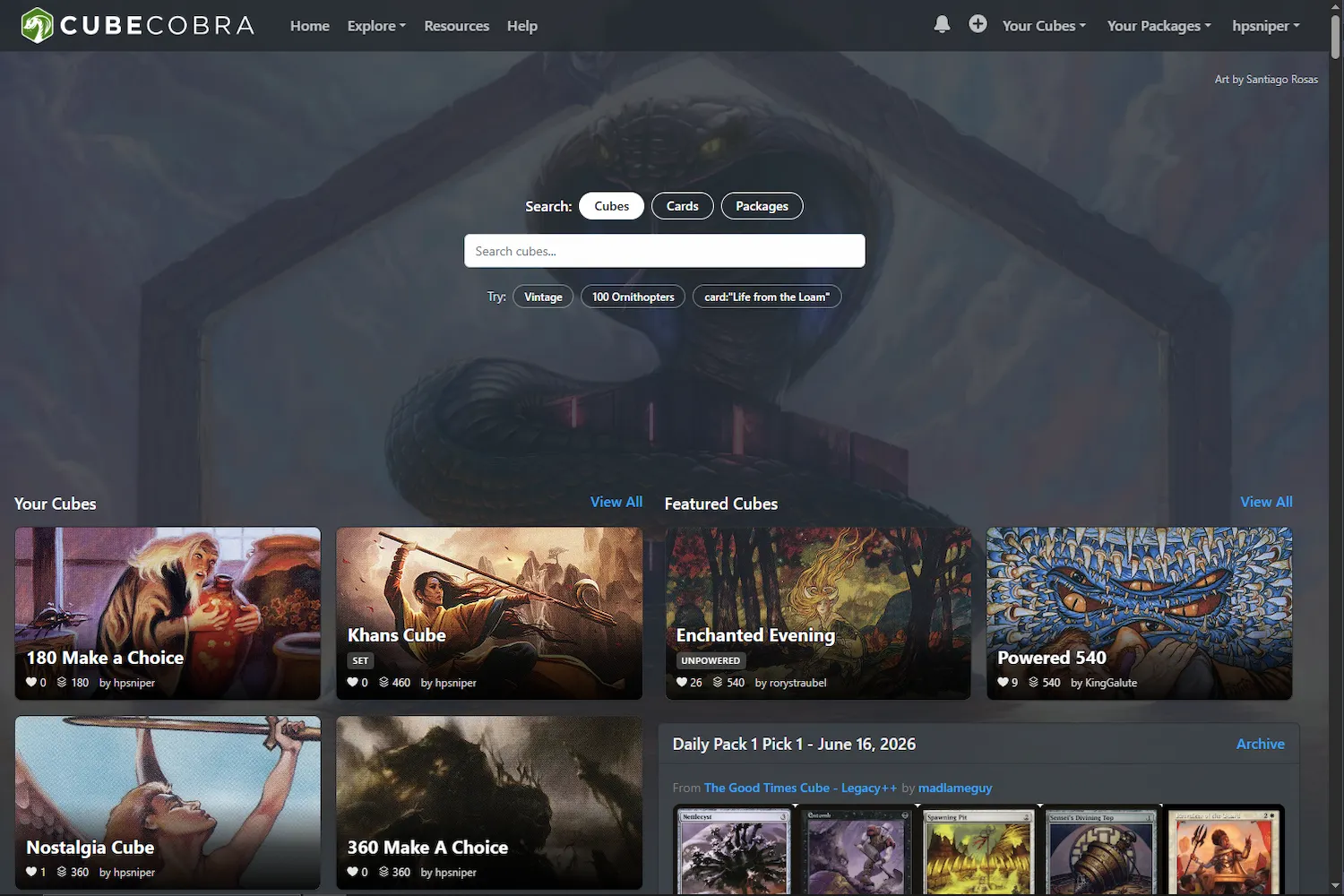
The Cube Cobra website is a great place to look for cubes, particularly the Most Popular Cubes (which is what the default /search page opens to). Other good cube lists include:
- Beginner 'Noob' Cube - This cube is a great option for those new to magic or drafting in general. It's affordable, well designed, and has a good introductory "primer" on what to expect from the draft.
- LSV's Vintage Cube (no initiative) - This is a great cube for those looking to play the most broken cards and combos throughout MTG history. It's drafted a TON by some of the best draft players in all of MTG history.
- Powerful Pauper Cube (common rarity) - One of the most beloved and iconic cubes featuring just cards that have at one time or another been printed at the common rarity (Don't be fooled into thinking the "common" rarity means not powerful, there are some busted cards and synergies in this cube)
How To Maintain A Cube?
To store and maintain a cube, you should use quality sleeves to prevent wear and ensure smooth shuffling and store the cube in a dedicated card case for protection and portability. Have spare sleeves with you for replacing damaged sleeves. Periodically look at new sets and cards to consider updating the cube with to keep it fresh.
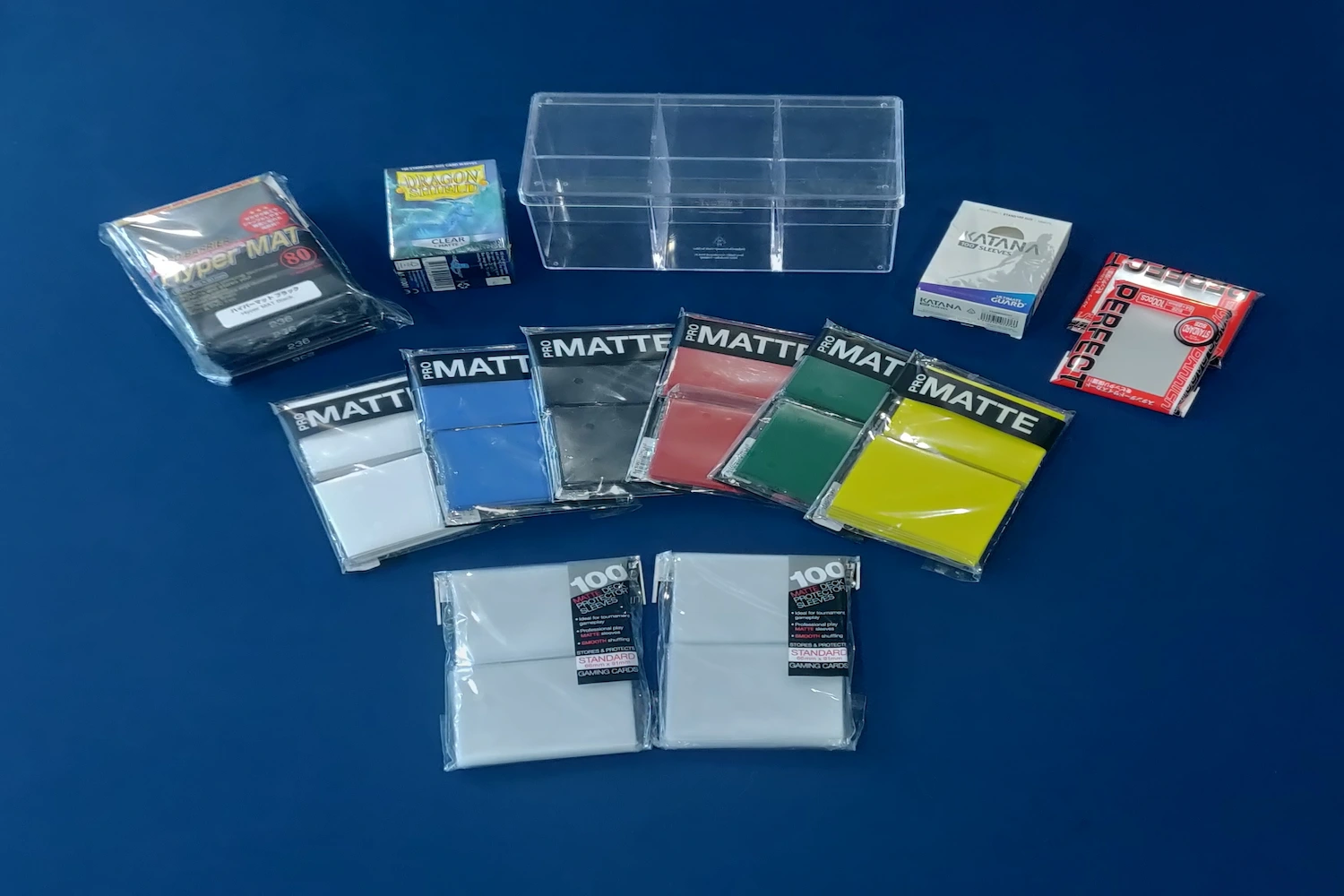
Proper storage and regular maintenance are important for preserving your Magic The Gathering Cube so it can be played for years. A well-maintained cube will provide a consistent and enjoyable draft experience that can evolve over time. Investing in quality storage accessories for some is part of the fun and protects your valuable cards but is not necessary. Many cubes are just paper proxies sleeved in front of a basic land stored in a white card box and that works just fine.
Sleeves
Sleeves are perhaps the most important decision for cube protection. You’re going to be shuffling this cube a lot so shuffle feel is important. If you decide to have multiple cubes, you can go one of two ways; Make each cube have a unique sleeve that can be easily distinguished from each other. OR, use the same sleeve for every cube to reduce the different sleeves required, and allow for a single land station to be used for all of your cubes.
Storage
For storage, consider dedicated card boxes or carrying cases designed for Magic cards. These keep your cube organized, protected, and easily transportable. There are tons of options and even higher quality customized wooden boxes but choose a solution that fits your cube’s size and your personal aesthetic and budget.
Maintenance
Maintenance involves occasional updates. When new Magic sets are released, consider giving some of those new cards trial inclusions in your cube to see if they positively impact the experience. Regular play-testing and feedback from your draft group are invaluable for keeping your cube fresh and engaging. Here are some useful things to find out from players during the draft:
- First Picks: Which cards are consistently first picks to either keep to maintain as part of the cube’s identity, OR maybe rotate these out to force some new life into the cube if it’s starting to feel stale
- Last Picks: Which cards are consistently overlooked and likely end up in sideboards to either cut for something else, OR maybe make some changes to the cube as a whole to get those last picks more viable in the cube
- Power Outliers: Are there cards that took over games by themselves that had few to no answers from a certain archetype or deck that need to be cut, OR there need to be more answers for available to each archetype
- Love or Hate: Were there any cards that players LOVED to see or play with that you’d like to support more, OR cards they hated to see that maybe should be cut or supported less
Is Cube Right For You?
Cube is best when you want a reusable balanced format that your group can make its own. You can become the set designer creating a balanced (or unbalanced if you choose) and exciting environment that’s free from the pressures of the constructed meta. It can be free from all the cards and decks that make you groan and full of the cards that you find fun and exciting about Magic The Gathering.
Cube is probably for you if:
- You like draft but hate buying packs every time
- Your group can’t agree on Commander power levels
- You are a Johnny at heart and enjoy tuning and playing on your own terms
- You want to replay your favorite cards forever
Cube may not be for you if:
- You only want official sanctioned play
- You dislike shuffling and setup time
- You want zero upfront work
- Your group prefers prebuilt decks